
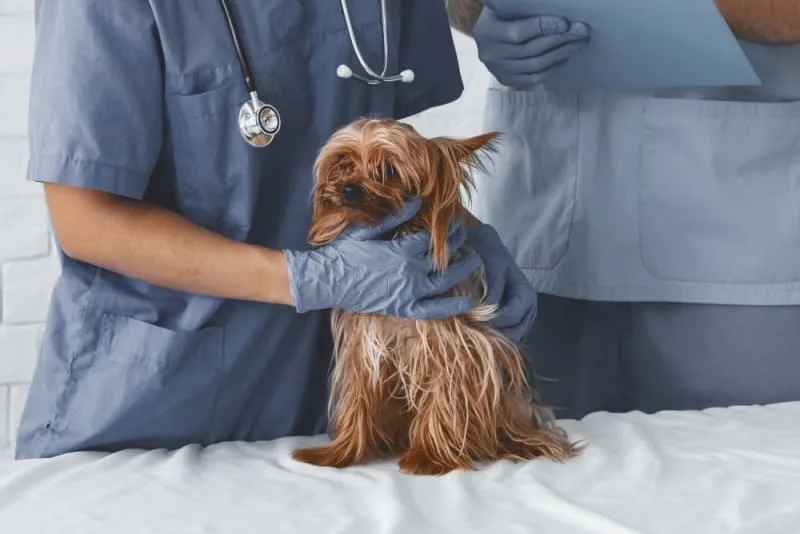
Knowing when your pet needs emergency care is important. Here, our Turlock vets share some of the signs and symptoms that indicate a trip to the emergency vet is necessary.
How to Tell if My Pet Needs Emergency Care?
Emergency veterinary care situations could occur at any time and you'll need to be prepared.
It can be challenging for pet owners to know when their dog, cat, or other pet needs emergency care. That's why, knowing some of the signs and symptoms that indicate a trip to the emergency vet is necessary, is important. If you are in doubt, contact your vet or emergency vet clinic for advice.
Signs of a Pet Emergency
Lameness or inability to walk
Bloated, swollen, or painful abdomen
Dilated pupils
Seizures
Unconsciousness
Severe injury (falls, car accidents, broken bones, open wounds)
Uncontrolled bleeding
Vomiting or blood in diarrhea
Difficulty breathing, extreme coughing or choking
Inability to urinate or defecate
Ingestion of poisonous foods, substances, plants, or bones
Unable to deliver puppies or kittens
Obvious pain
Loss of balance
Sudden blindness, staggering or stumbling
Inflammation or injury to the eye
Basic First Aid
Please note that performing basic first aid on your pet is not intended to replace veterinary care, it is solely to stabilize your animal for a trip to your emergency vet.
Bleeding
Muzzle your pet before beginning. Place a clean gauze pad over the injury, applying pressure with your hand for several minutes until blood clotting begins. A tourniquet of gauze with an elastic band to secure it will be required for severe leg bleeding. Immediately bring your pet to the veterinary clinic.
Seizures
Do not attempt to restrain your pet. Try to clear the area around your pet and remove objects that may hurt your pet. After the seizure is over, keep your pet warm and phone your vet.
Fractures
Muzzle your pet. Lay your pet on a flat surface that can be used as a stretcher to transport them to the vet. If possible, secure your animal to the stretcher, avoiding putting pressure on the injured area.
Choking
Your pet may bite out of panic, so it's important to be cautious. Check your pet's mouth for objects and try to remove it if possible. Be careful to not accidentally push the object further into your animal's throat. If this is too difficult, don't waste time trying. Immediately transport your pet to the vet's office or emergency veterinary clinic for care.
What You Should Know in Advance
You never know when an emergency might strike, but being prepared for a pet emergency may help you to provide your animal with the best possible care quickly. We suggest keeping the following at hand in case of an emergency:
The phone number for your vet's office
The phone number for the closest Emergency Vet Clinic
The phone number for the Animal Poison Control Center
A muzzle for your pet so if they are in pain so they don't bite others
Directions to the Emergency Vet Clinic
Knowledge of basic pet CPR for your specific pet
A pet-specific first aid kit
Note: The advice provided in this post is intended for informational purposes and does not constitute medical advice regarding pets. For an accurate diagnosis of your pet's condition, please make an appointment with your vet.
Is your pet having a health emergency? Contact our Turlock vets we want to help